
Getting the right dosis of stroke medicine into the brain
Every year, millions of people suffer a stroke, and in Denmark alone, 12.000 people suffer a stroke on a yearly basis.
While doctors can restore blood flow, the drugs that can protect the brain from damage have not been developed yet. One of the main challenges is that most drugs cannot reach the brain in clinically relevant concentrations.
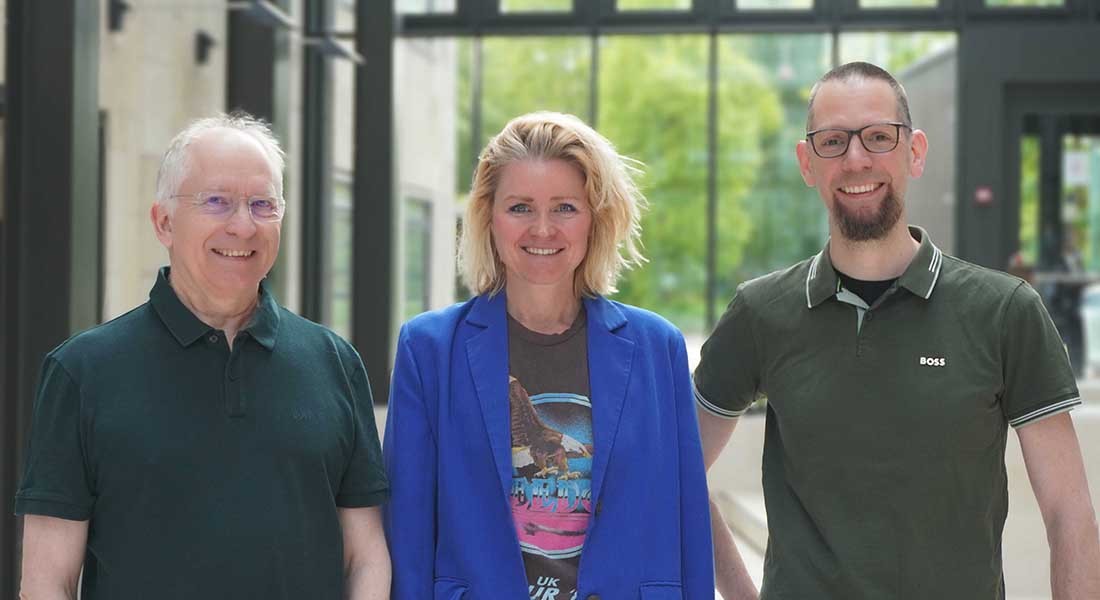
This is a challenge that the new project, ”Integrating omics and computational design for next generation brain-targeted stroke therapeutics”, will be taking up under the leadership of Associate Professor Mie Kristensen.
In the project, she will be working closely together with Albert Kooistra and Henrik Franzyk from Department of Drug Design and Pharmacology, and Anna-Sophia Wahl from Ludwig-Maximilians University Munich.
The research challenge: developing new transport molecules for the drugs
During this project, Mie Kristensen will combine biological data and computer-based design to develop “carrier” molecules that can transport drugs into the brain. The idea is to help neuroprotective drugs reach where they are needed most. The team will design and test these carriers in both cell-based models and in preclinical animal models of stroke.
Since stroke is one of the leading causes of disability worldwide, affecting not only patients but also their families and healthcare systems, Mie hopes to make a difference:
“If we can improve how drugs reach the brain, we may be able to reduce brain damage and improve recovery. This could make a real difference for patients’ quality of life”.
If we can improve how drugs reach the brain, we may be able to reduce brain damage and improve recovery. This could make a real difference for patients’ quality of life.
If the team’s efforts are successful, the new methods for drug delivery could prove to be useful in relation to other neurological diseases.
“I hope this research will open the door to a new generation of treatments that can protect the brain after stroke. In the longer term, the approach could also be used for other brain diseases where delivering medicine to the brain is still a major challenge”, she says.
Contact
Associate Professor
Mie Kristensen
E-mail: mie.kristensen@sund.ku.dk
Telephone: +4535336063
Article by Communications Adviser Lisbeth Lassen